

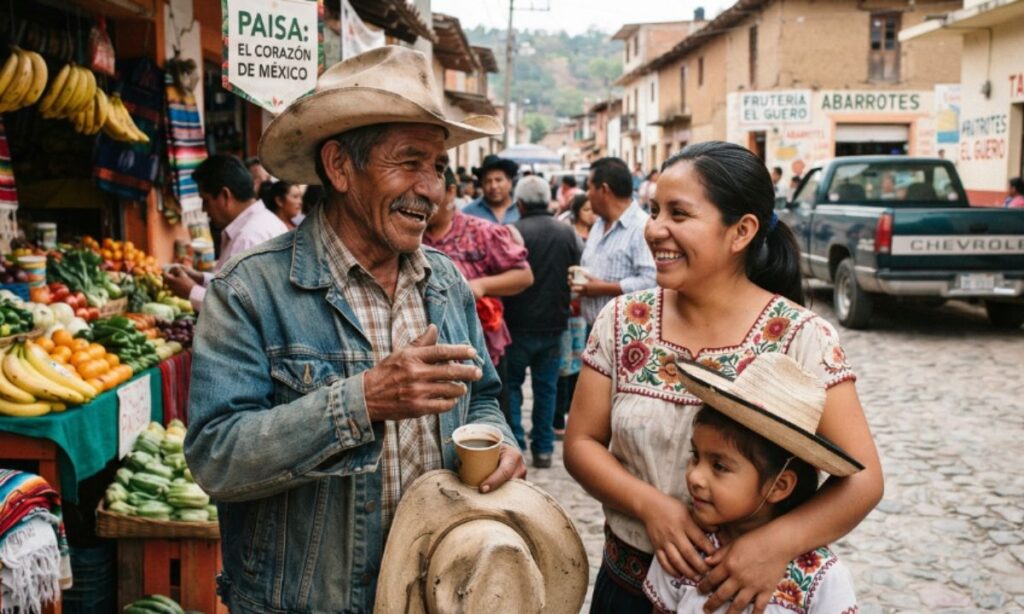
Ever heard someone call you “paisa” and wondered if it’s a compliment or an insult? You’re not alone. This tiny word carries decades of culture, pride, and migration history packed into one syllable. Once you learn the real paisa meaning, you’ll never hear it the same way again.
So what does paisa mean, exactly? At its core, paisa Mexican slang describes a fellow countryman someone who shares your roots. The paisa meaning Spanish slang carries goes beyond translation; it’s about belonging. Understanding paisa meaning Mexican communities use daily changes how you hear it forever.
What Does Paisa Mean?
The Paisa Meaning Mexican communities rely on boils down to belonging — it’s how one Mexican recognizes another. As one of the most common mexican slang words, it’s used casually among friends, strangers, and family alike.
It’s not a name or a title — it’s a feeling of shared identity. That’s exactly why the Paisa Meaning Mexican speakers know has stuck around in mexican-american slang for generations.
Paisa Meaning: Origin & Etymology
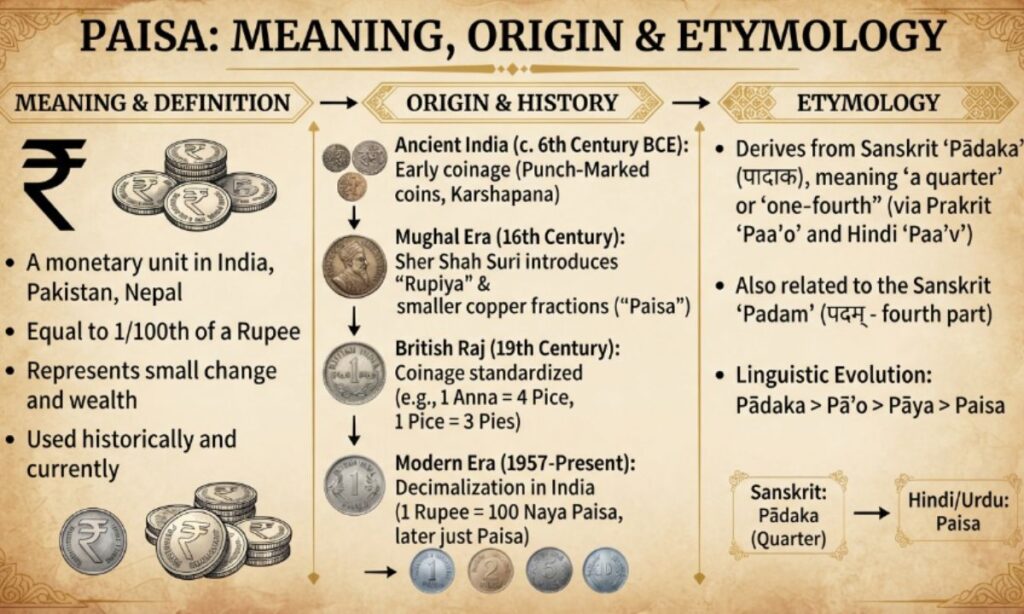
The meaning of paisa in Spanish traces back to paisano the full-length word for “countryman.” Paisano itself comes from país, the Spanish word for country, so the country/region origin (país) connection is baked right into the word.
- Paisano → shortened casually to “paisa”
- Reflects a hometown connection, not just nationality
- Originally tied to rural Mexican background and small-town roots
- Adopted widely by the migration/immigrant community in the U.S.
- Carries shared cultural roots between speaker and listener
Paisa vs paisano what’s the real difference? Paisano is the full, slightly more formal word; paisa is the clipped, street-level version people actually say out loud. Both mean the same thing, but paisa feels more casual and instant.
Paisa Slang Quick Reference
Paisa rarely shows up alone it’s part of a bigger Spanish slang dictionary of everyday Mexican expressions. Here’s how it fits alongside other common terms.
| Slang | Meaning |
| Paisa | Countryman/friend |
| Feria | Money |
| Lana | Money |
| Varos | Money |
| Billete | Cash |
| Chamba | Job |
| Jale | Work/gig |
| Morra | Girl |
| Morro | Guy |
| Güey | Dude |
| Compadre | Close friend |
| Cuate | Buddy |
| Rola | Song |
| Troca | Truck |
| Barrio | Neighborhood |
Paisa Pronunciation Guide
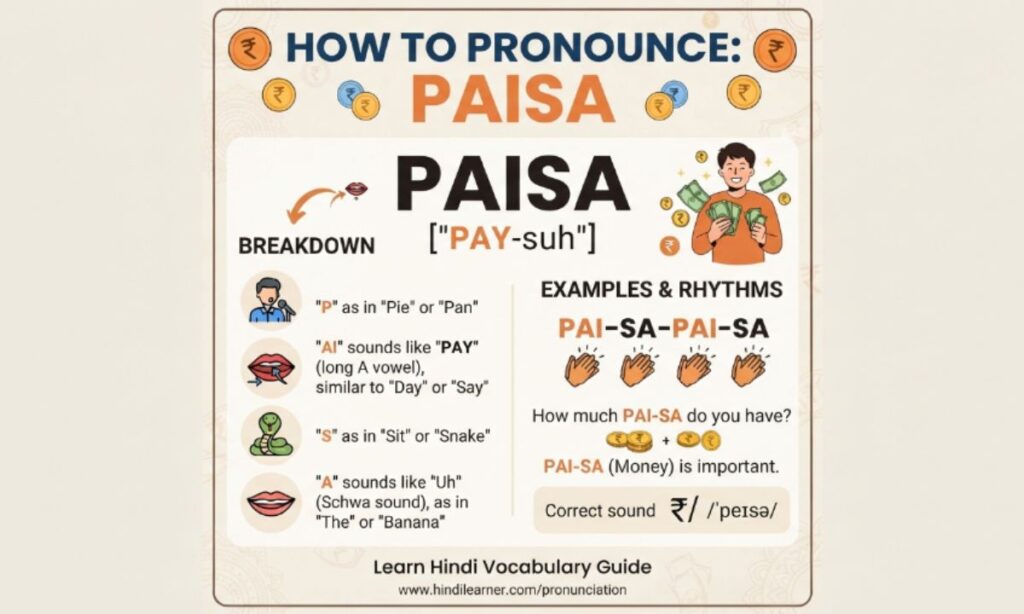
Paisa is pronounced “pie-SAH” two syllables, stress on the second. It’s not “PAY-suh” or “pie-ZUH,” even though English speakers often guess wrong on first read.
Saying it correctly matters more than people think mispronouncing it in casual Latino communities can come off as unfamiliar with the culture.
Paisa Meaning in Urban Dictionary
On Paisa Urban Dictionary entries, the Paisa Meaning Mexican slang carries is defined two main ways: short for paisano (countryman), and less flatteringly a stereotype of a Mexican man dressed in cowboy boots, a hat, and a gold chain, speaking little English.
Both definitions exist side by side, which is why context always shapes how the Paisa Meaning Mexican communities use lands respectfully or as a mocking stereotype.
Read Also This Blog Meaning of Feen
Paisa Meaning in Italian (Paesano)
Italian has its own cousin word: paesano, meaning someone from the same village or town. The paisa meaning Italian speakers use is nearly identical in spirit to the Spanish version shared hometown, shared pride.
Both words likely trace back to Latin roots for “country” or “village,” which explains the overlap.
Paisa Region: Origin in Colombia
Separately, “Paisa” is also the name of an entire cultural Paisa region in Colombia covering Medellín, Antioquia, and nearby departments. This is a distinct usage from the Mexican slang term, even though the spelling matches.
- Colombian paisas: a regional/ethnic identity group
- Mexican paisa: a slang term for countryman/friend
- Both share the same “país” (country) root, different final meaning
Paisa Girl Meaning Explained

“Paisa girl” describes a woman who proudly embraces her Mexican or Latin roots traditional food, language, family values, and culture. Within the broader Paisa Meaning Mexican context, the paisa girl meaning is usually a compliment about cultural pride, though it can occasionally be used sarcastically to imply someone is “too traditional.”
Paisa vs Chicano: Key Differences
Paisa vs Chicano is a common point of confusion, but the two describe different identities entirely.
- Paisa: A Mexican immigrant, often more recently arrived, closely tied to Mexican customs and Spanish language
- Chicano: A Mexican-American, usually U.S.-born, with a distinct bicultural identity and its own political/cultural history
Paisa Mexican Food Explained
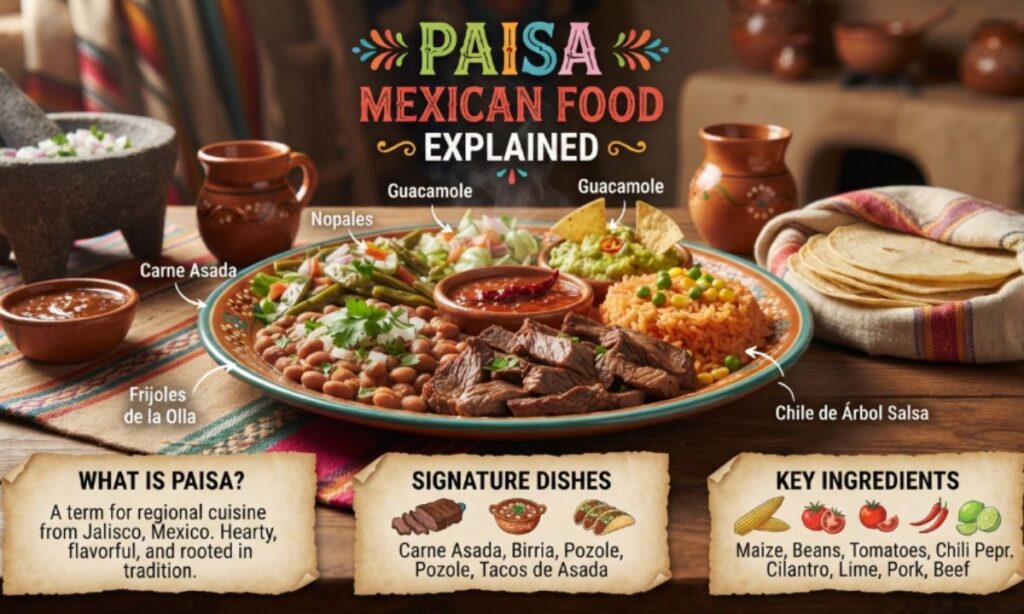
The word shows up constantly in food branding taquerias named “Tacos El Paisa” are common across the U.S. Paisa Mexican food branding leans on the word to signal authenticity, tradition, and home-style cooking.
Paisa Person: Who Uses This Word?
A paisa person definition is simple: anyone using it to greet or refer to a fellow Mexican, particularly within immigrant or working-class communities. It’s used by:
- Recent immigrants greeting one another
- Mexican-Americans referencing cultural roots
- Vendors, coworkers, and neighbors in daily conversation
Is Paisa Offensive or Respectful?
Is paisa offensive? It depends entirely on tone, relationship, and cultural context awareness the word itself isn’t inherently negative.
Positive & Friendly Usage
This is friendly conversation slang at its core used to build instant rapport in casual Latino communities, drawing on shared cultural roots between speaker and listener.
Negative or Mocking Usage
Used with mocking tone usage or as a stereotype (cowboy hat, poor English), it becomes an insult. Is paisa a compliment or insult often comes down to who’s saying it, and how.
Generational Differences in Paisa Slang
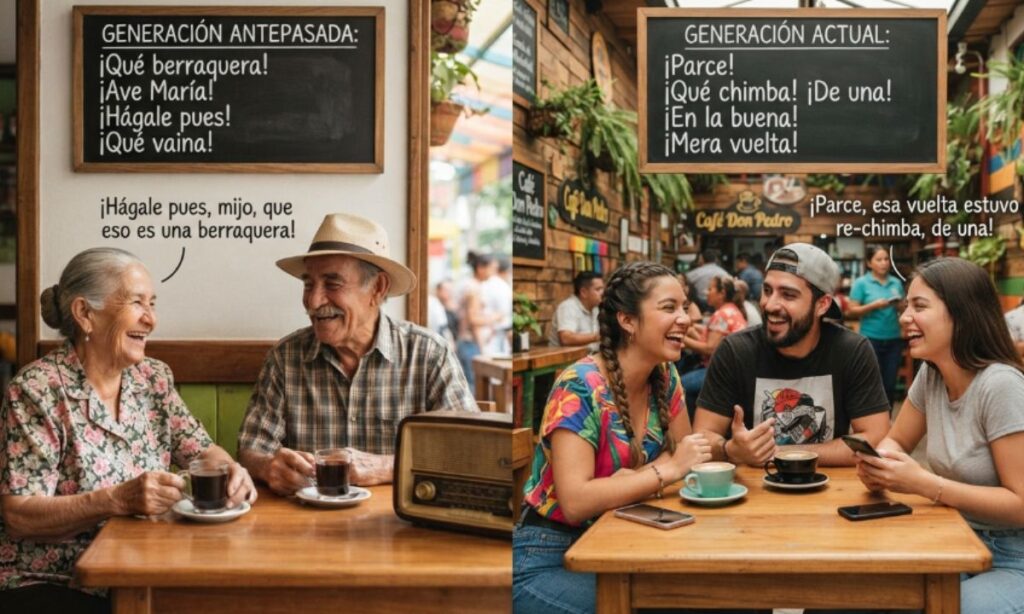
Like most slang, usage shifts by age group and reflects broader slang evolution.
- Gen Z slang: Mixes paisa with English and internet phrases, often ironically
- Millennial slang: Uses it more traditionally, but shares it heavily online
- Older generation slang: Uses paisa formally and sincerely, tied closely to cultural identity
This is very much trending slang 2026, kept alive through social media slang spread rather than fading into slang outdated vs current territory.
How to Use Paisa Naturally
Getting the tone right matters more than getting the word right.
- Match formal vs informal language never use it in professional writing
- Read the room: professional vs casual speech calls for different words entirely
- Pay attention to tone and audience before using it with strangers
- Avoid sounding forced by only using it when it fits naturally
This is simply how to use slang naturally reading social settings before speaking, not memorizing rules.
Common Mistakes Using Paisa Slang
- Using it in formal writing vs slang contexts like emails or resumes
- Repeating outdated expressions that no longer land with younger speakers
- Mispronouncing it, which signals unfamiliarity with latino slang terms
- Treating it as common slang mistakes by using it mockingly with strangers
Social Media Buzz Around Paisa Slang
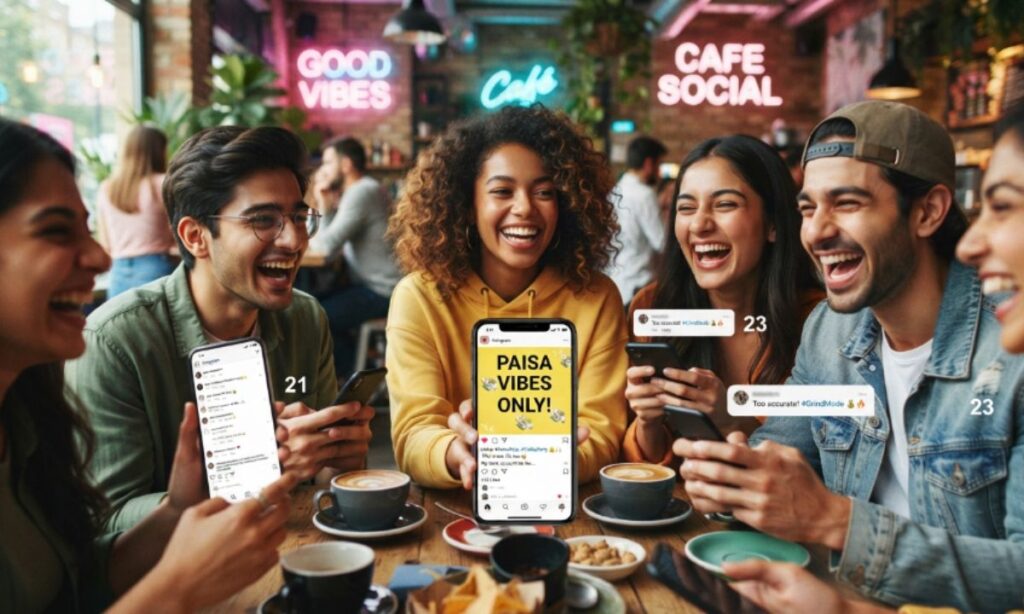
Paisa is very much part of today’s internet culture slang. TikTok and Instagram captions use it constantly sometimes proudly, sometimes as a punchline, feeding into ongoing debate over is paisa used online the same way it’s used in person.
The paisa meaning in text or DMs usually stays close to the friendly, original sense a nod between friends who share the same background.
Paisa Currency Meaning (Not Slang)
Separately, “paisa” is also a currency term a small monetary unit (1/100 of a rupee) used in India, Pakistan, and Nepal. The paisa currency meaning has zero connection to the Mexican slang term; it’s simply a spelling coincidence across two unrelated language families.
Practice: Test Your Paisa Slang
Fill in the Blanks
- “Hey ______, can you help me out?”
- “That guy just moved from Jalisco another ______ in the barrio.”
- “Don’t use ______ in your work email.”
Choose the Correct Slang
Which word means “countryman/friend”? A. Troca B. Paisa C. Rola
Rewrite Formal Sentence to Slang
“That man is from my hometown.” → “Ese güey es mi paisa.”
Frequently Asked Questions
What is a paisa in Mexican slang?
A paisa in Mexican slang the Paisa Meaning Mexican communities use daily refers to a countryman or close friend, someone from the same hometown or region, used warmly among friends and family.
What does “paisano” mean in Spanish slang?
Paisano means “countryman” in Spanish slang someone from the same country, city, or hometown as you; paisa is its shortened, casual form.
What are paisa girls?
Paisa girls are women who proudly embrace Mexican or Latin heritage through language, food, family values, and traditional culture, usually meant as a compliment.
What does the term paisa mean in Spanish?
In Spanish, paisa means fellow countryman or someone from your same region, shortened from paisano, and widely used across Mexican and Latino communities.
Why do Colombians say paisa?
Colombians say paisa because it names people from Antioquia and the coffee region, a proud regional identity distinct from the Mexican slang meaning.
What is Mexican slang for money?
Common Mexican slang for money includes feria, lana, varos, and billete casual terms often used alongside expressions like Paisa Meaning Mexican in everyday conversations about cash, spending, and daily life.
What is gen z slang for money?
Gen Z slang for money leans on varos and lana, often mixed with English online, reflecting fast-changing youth culture and social media trends.
How do Mexicans say cash?
Mexicans commonly say lana or feria for cash casual Paisa Meaning Mexican slang terms heard daily when paying bills, shopping, or splitting expenses with friends.
What’s the English translation of paisa?
Paisa translates roughly to “countryman,” “buddy,” or “fellow Mexican” in English, capturing shared hometown identity rather than a literal one-word translation.
Conclusion
Paisa meaning ultimately comes down to identity a warm, casual word Mexicans use to recognize one another as countrymen, friends, or neighbors. What does paisa mean in practice depends on tone: friendly among familiar company, disrespectful when used as a mocking stereotype. As paisa Mexican slang, it stays deeply tied to hometown pride, migration stories, and shared roots, evolving naturally across generations without losing its original warmth.
In everyday use, the paisa meaning Spanish slang carries reflects real cultural connection, not just translation. Whether you’re hearing it in paisa meaning Mexican conversations, TikTok captions, or taquería signs, context always decides whether the word lands as respect or insult.
