

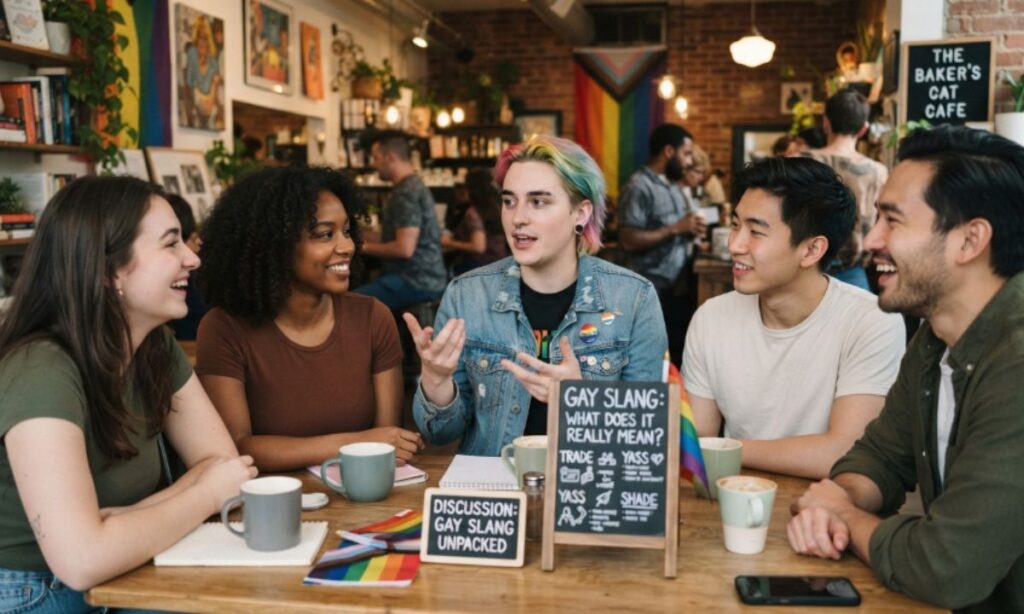
You’ve heard the word “trade” thrown around—but do you actually know what it means? Trade gay slang isn’t just internet chatter; it carries decades of hidden queer history. Ask someone what does trade mean and you’ll get five different answers.
That’s because trade meaning slang has shifted across generations, drag stages, and social media feeds. Trade drag meaning ties to masculine appeal, while trade for trade describes something else entirely in dating culture. Keep reading, because getting this wrong could make you sound clueless in queer spaces.
What Does Trade Mean in Gay Slang?
At its core, the trade gay slang definition describes a man — often straight-passing or straight-identifying — who’s seen as masculine, attractive, and desirable within queer spaces. It’s one of the most searched gay slang words because its meaning has shifted so much over time.
Trade meaning slang
In modern LGBTQ+ slang trade usage, calling someone “trade” is a compliment about their masculine appeal, not a label about their actual sexuality. Someone can be trade whether they’re gay, bisexual, or fully straight — the word describes vibe, not identity.
Trade Gay Slang: Quick Reference Table
| Term | Trade Gay Slang Definition | Tone |
| Trade | Masculine, attractive, often straight-passing man | Casual/complimentary |
| Rough Trade | Trade with a tougher, working-class edge | Historic/edgy |
| DL Trade | Someone secretly queer who reads as “trade” | Informal |
| Trade of the Season | Drag Race term for the season’s most attractive queen | Pop culture |
Trade Gay Slang Origin
The trade gay slang origin traces back over a century, long before social media turned it into a trending LGBTQ+ word. It started as coded language queer communities needed for safety.
Polari & British Slang Roots
Trade began in Polari, a secret slang used by gay men, sailors, and performers in early-1900s Britain as a form of queer coded communication. It simply meant a casual sex partner at the time.
1930s Cockney & Wealthy Englishmen History
By the 1930s, “trade” described working-class Cockney men who partnered with wealthier gay Englishmen — often for money or gifts. This economic angle is a key part of the trade gay slang etymology that many modern users don’t know.
Read Also This Blog Luna Name Meaning
What Does Trade Mean in Drag Culture
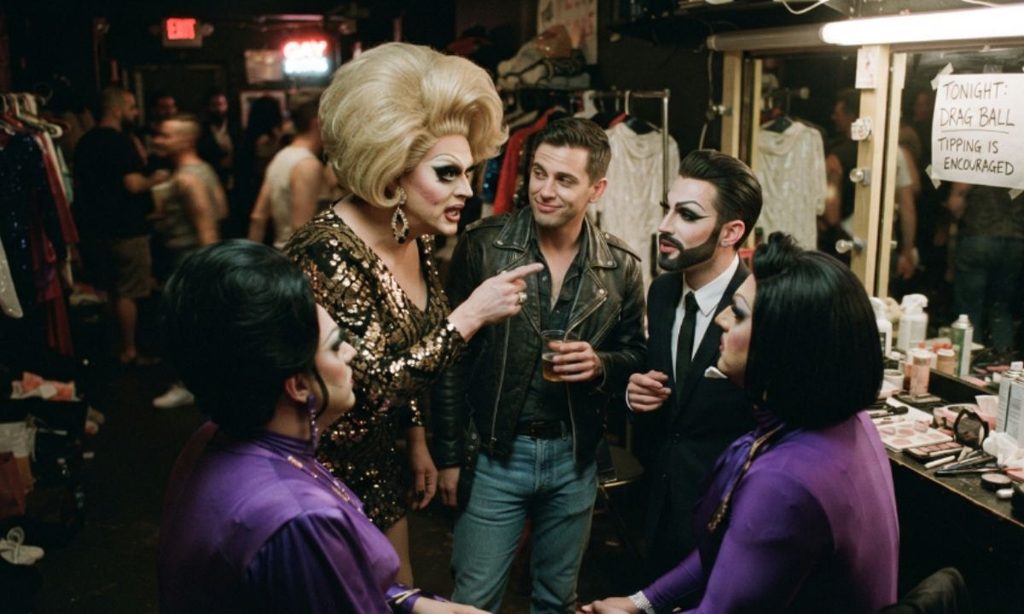
Ask what does trade mean in drag culture and most fans will point straight to RuPaul’s Drag Race. The term jumped from ballroom culture into mainstream reality TV and never looked back.
“Trade of the Season” in Drag Race
On the show, “trade of the season” refers to the queen fans and cast consider the sexiest or most attractive that cycle — a title, not an insult.
Ballroom Culture Meaning of Trade
In ballroom culture, trade described a masculine-presenting man with an edge to his look — confident, straight-coded, and desirable on the scene long before it hit TV.
Trade vs DL

People often confuse these two, but trade vs dl describes two different things entirely.
What Does DL Mean?
DL stands for “down low” — someone who publicly identifies as straight but privately has sex with men. It’s an identity someone keeps hidden.
Key Differences: Trade vs DL
| Trade | DL |
| A label others give a masculine/attractive man | A self-hidden identity |
| Doesn’t require secrecy | Built entirely on secrecy |
| Can apply to gay, bi, or straight men | Applies to men hiding queerness |
Understanding trade vs dl gay slang correctly matters — mixing them up misrepresents both terms.
Trade Gay Slang Black
The trade gay slang black community context is essential to the word’s real history — this isn’t a term that emerged from nowhere.
Is Trade AAVE?
Trade’s masculine, straight-passing meaning was heavily shaped by Black and ballroom culture, where it became linked to hip-hop style and masc-presenting men. So while the word has older British roots, its modern usage is deeply tied to AAVE and Black queer culture.
Rough Trade Gay Slang
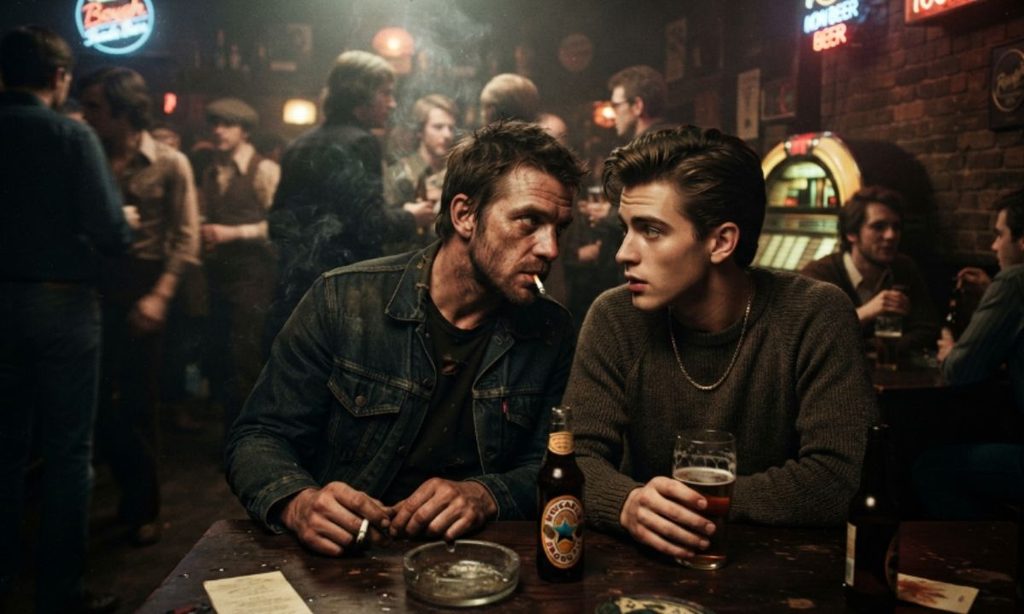
Rough trade gay slang is the older, edgier cousin of “trade” — and it comes with a heavier history.
Rough Trade Meaning and Stereotypes
“Rough trade” described laborers — truck drivers, factory workers, farmhands — stereotyped as extremely masculine, tough, and sometimes dangerous.
Real Incidents Linked to Rough Trade
| Year | Event |
| 1974 | Writer James Pope-Hennessy killed by men met through rough trade |
| 1975 | Rumors linked rough trade to director Pier Paolo Pasolini’s murder |
| 1998 | Matthew Shepard’s murder controversially framed as trade-related by some commentators |
Victim-Blaming Controversy Explained
Historically, “rough trade” was sometimes used to blame gay victims of violence for seeking out dangerous partners — a framing many now recognize as unfair and harmful.
22 Common Trade & Gay Slang Terms
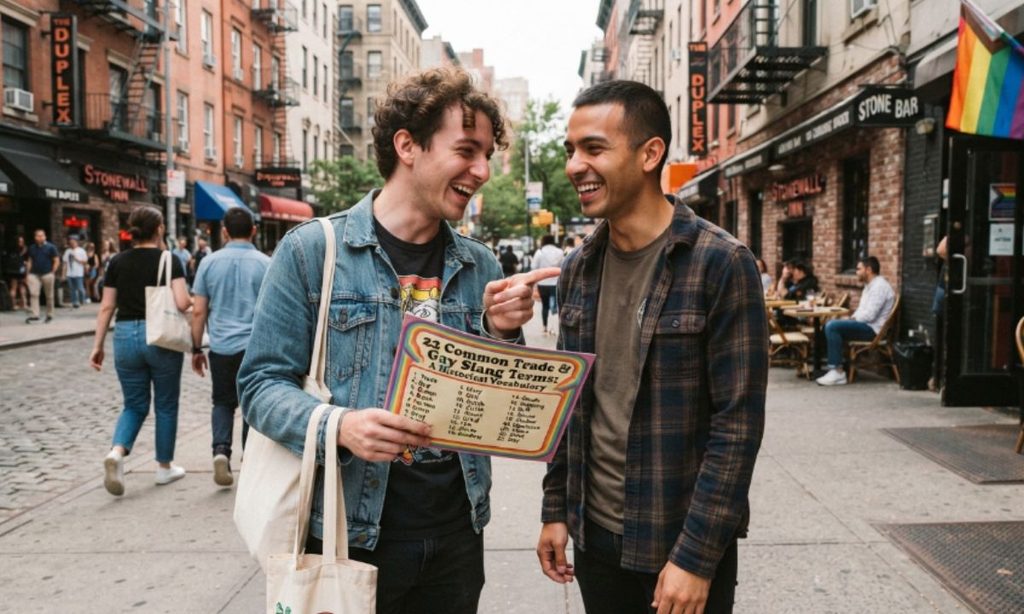
This glossary covers gay slang words you’ll hear alongside trade — from slang for confidence to body type slang.
Trade — masculine, attractive, straight-passing man Masc — masculine-presenting Femme — feminine-presenting DL — secretly queer, publicly straight Twink — young, slim gay man Bear — bigger, hairy gay man Otter — lean but hairy (between twink and bear) Tea — gossip or truth (“spill the tea”) Read — cleverly calling someone out Shade / Throwing Shade — a subtle insult Werk — celebrating confidence Serving — presenting a strong look Snatched — looking flawless Slay — doing something exceptionally well Clock — to notice or identify something Passing — perceived as straight or cis Realness — authentic, convincing presentation Kiki — a casual hangout or gossip session Gagged — shocked or impressed Fierce — bold and confident Hunty — playful, friendly address
Trade Slang Across Generations
Slang evolution moves fast in queer spaces, and trade is a good example of it.
- Old school gay slang: rough trade, realness, fierce — rooted in ballroom and ‘70s–‘90s drag scenes
- Millennial slang: trade, DL, shade, kiki — shaped by early internet queer forums
- Gen Z slang: slay, gagged, serving, snatched — driven almost entirely by TikTok and Twitter/X slang
This generational slang comparison shows how each era reshapes the same core vocabulary for its own culture.
Trade Meaning Twitter
Trade meaning twitter searches spiked once Drag Race fans started using the term online daily.
How Trade Went Viral Online
TikTok slang and Twitter/X slang turned “trade” into a viral LGBTQ+ term, with fan edits, reaction memes, and “trade of the season” debates trending every Drag Race cycle. Instagram slang trends followed shortly after, especially in fan-account captions.
Social Media Reactions Explained
Fans use the word playfully in comments and captions, though some queer users push back when it’s used carelessly outside its original context — proof that internet slang evolution doesn’t erase a word’s history.
Trade vs Bisexual: Key Differences
Trade is not a sexual orientation — bisexuality is. A man can be trade and straight, gay, or bisexual; the label only describes how masculine and attractive he appears, not who he’s attracted to. Bisexuality is a self-chosen identity; trade is a label given by others.
The Drag Race Controversy Over Trade
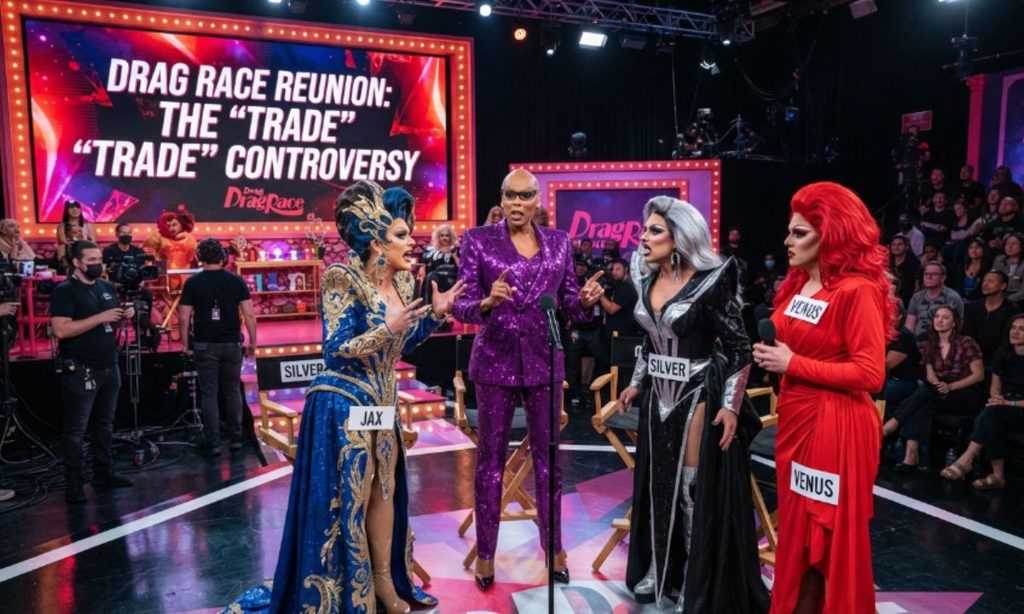
Not everyone loves how mainstream TV reshaped this word.
Erasing Sex Worker History Debate
Critics argue Drag Race stripped “trade” of its origins tied to sex work and economic survival, turning a loaded historical term into a lighthearted compliment.
Fan Reactions and Backlash
Some longtime queer fans have publicly pushed back on Reddit and X, saying the show’s casual use erases decades of coded language history — a debate that resurfaces every season.
How to Use Trade Slang Naturally
- Match the tone of the conversation — trade is casual, not formal
- Use it as a compliment about masc energy, not a claim about someone’s sexuality
- Skip it in professional or formal writing entirely
- Avoid labeling strangers without context
Common Trade Slang Mistakes to Avoid
- Using it as if it confirms someone is gay or straight
- Confusing trade with DL (they mean different things)
- Using outdated 90s-era slang in 2026 conversations without context
- Overusing slang in one sentence, which can confuse the meaning
Misconceptions About Trade Slang
A big misconception: trade always means “secretly gay.” In reality, it’s about masculine appeal — sexuality is separate. Another myth is that trade is inherently offensive; most LGBTQ+ spaces use it as a compliment, though context always matters.
Practice Section: Test Your Slang Knowledge
Fill in the Blanks
- “Did you see him? Total ______.”
- “He’s ______, always private about dating.”
- “That look was giving pure ______.”
Choose the Correct Slang
- Which word describes a masculine, attractive man? A) Trade B) Twink C) Bear D) Otter
- Which term means “secretly queer”? A) Slay B) DL C) Tea D) Fierce
Rewrite into Slang
- “That guy is really masculine and attractive.” →
- “Tell me the gossip.” →
Frequently Asked Questions
What does trade mean in slang?
In LGBTQ+ slang, trade means a masculine, straight-passing, or straight-identifying man considered sexually attractive within gay and queer social spaces.
What is DL trade gay slang?
DL trade gay slang describes a man who appears straight or hides his sexuality publicly while being seen as masculine and attractive privately.
What does it mean when a guy is called a trade?
Calling a guy trade means he’s viewed as masculine, straight-passing, and attractive—it’s a compliment on his masc appeal, not his sexuality.
Why are they called trade gay?
The trade gay slang term originated from men trading sex for money or gifts, later evolving to simply mean masculine and attractive.
Is trade offensive in gay slang?
Trade gay slang is rarely offensive within LGBTQ+ spaces since it’s used as a compliment, though context and tone always matter.
Is trade the same as DL?
No, trade and DL differ—trade describes masculine appeal others assign, while DL means secretly hiding one’s queerness from the public.
What is DL boyfriend meaning?
A DL boyfriend keeps his relationship and sexuality hidden publicly, often overlapping with trade gay slang when he’s seen as masculine.
How is trade used in slang?
Trade gay slang is used casually to compliment a masculine, attractive man, as in “he’s total trade” during everyday conversations.
What does “rough trade” mean?
Rough trade gay slang refers to tough, working-class men seen as extremely masculine, historically linked to labor jobs and danger.
Conclusion
Trade gay slang describes a masculine, straight-passing man seen as attractive within LGBTQ+ spaces—rooted in Polari, ballroom culture, and decades of coded queer language. What does trade mean shifts slightly by context: on Drag Race it signals the season’s most desirable queen, while in everyday use it’s simply a compliment on masc energy. Trade drag meaning and street usage often overlap, though the word carries real history tied to sex work, class, and survival that shouldn’t be ignored.
Trade for trade, a related dating term, describes two masculine-presenting men pairing up rather than one seeking a “straight-passing” partner. Whatever the trade meaning slang context, the term reflects identity, attraction, and decades of queer cultural evolution—still shifting with every generation that reclaims it.
