

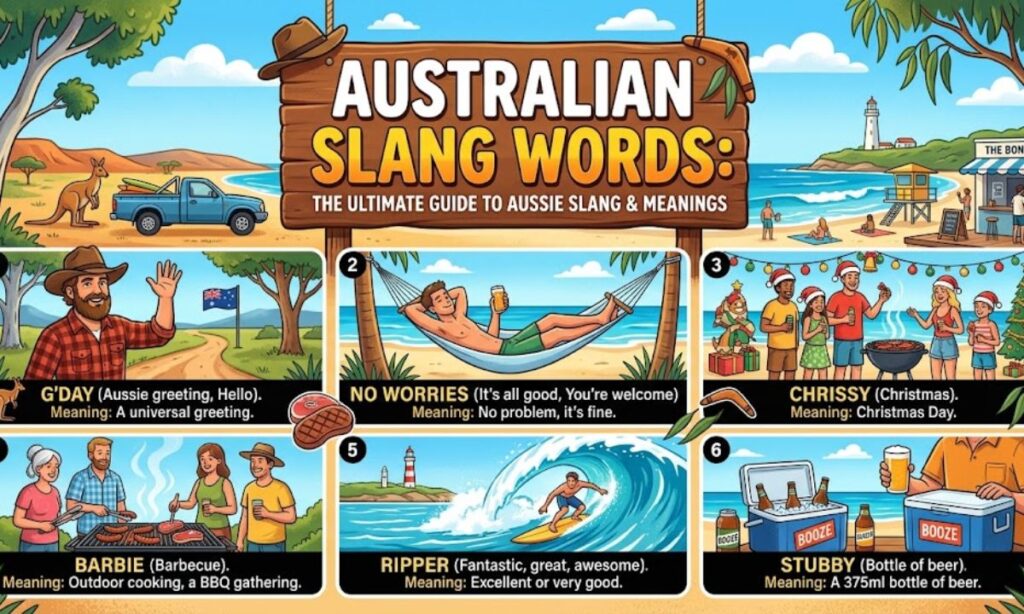
Ever been called a “drongo” and wondered if you should laugh or fight back? In Australia, that’s just how mates talk. Australian slang insults rarely mean real hostility — they’re a love language in disguise. Miss this, and you’ll misread half your conversations Down Under.
Aussie insults are less about cruelty and more about connection. From cheeky aussie slang insults to the best australian insults you’ll hear at a barbie, they all share one thing: banter over bite. Wondering how to insult an australian the right way? You’re about to find out.
What Is Australian Slang?
Australian slang is informal language shaped by casual humor, shortened vocabulary, and a strong culture of light-hearted banter. It’s less about formal English rules and more about social interaction and cultural identity — Aussies use slang to bond, joke, and express personality in daily life.
Aussie humor leans heavily on friendly roasting culture, meaning even insults often come from affection rather than offense. Understanding slang tone matters just as much as understanding slang meaning.
Australian Slang Quick Reference Table
| Slang Term | Meaning | Tone |
| Arvo | Afternoon | Casual |
| Sheila | Woman | Old school |
| Bogan | Unrefined person | Teasing |
| Crikey | Expression of surprise | Playful |
| Dunny | Toilet | Casual |
| Cobber | Friend | Old school |
| Chook | Chicken | Everyday |
| Pom | British person | Light-hearted |
Australian Slang Dictionary A–Z
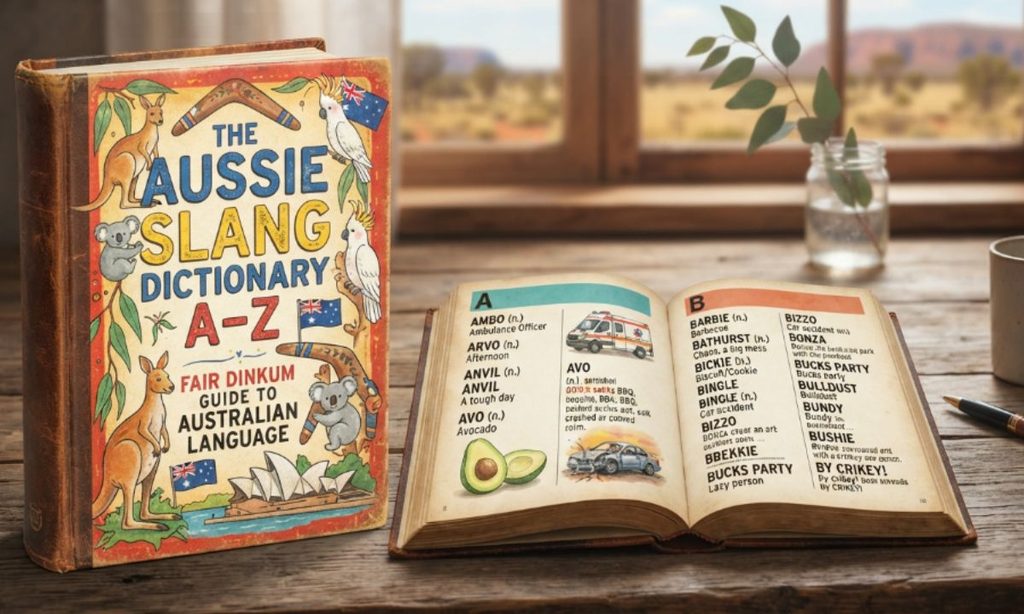
Here’s a quick-scan list of common Australian slang words and their everyday meanings:
- Arvo – afternoon
- Bogan – unrefined or rough person
- Chook – chicken
- Cobber – old-school word for friend
- Crikey – exclamation of surprise
- Dunny – toilet
- Gronk – a clumsy or foolish person
- Pom – a British person
- Root – Aussie slang with a crude, informal meaning (context-dependent)
- Sheila – a woman
Australian Slang Words for Everyday Use
Aussies shorten almost everything, and this everyday vocabulary shows up in homes, workplaces, and messaging apps alike.
Greetings & Everyday Phrases
- G’day – hello
- No worries – it’s fine
- How ya going? – how are you?
Food and Drink Slang
- Barbie – barbecue
- Brekkie – breakfast
- Snag – sausage
Money Slang Nicknames
| Slang | Meaning |
| Lobster | $20 note |
| Granny Smith | $100 note |
| Gold coin | $1 or $2 coin |
Australian Slang Phrases You’ll Actually Hear
These are real Australian slang phrases used in daily conversation, not textbook examples:
- “Grab a coldie from the bottle-o” – get a beer from the liquor store
- “She’ll be right” – it’ll be fine
- “Flat out like a lizard drinking” – extremely busy
29 Aussie Slang Insults Explained
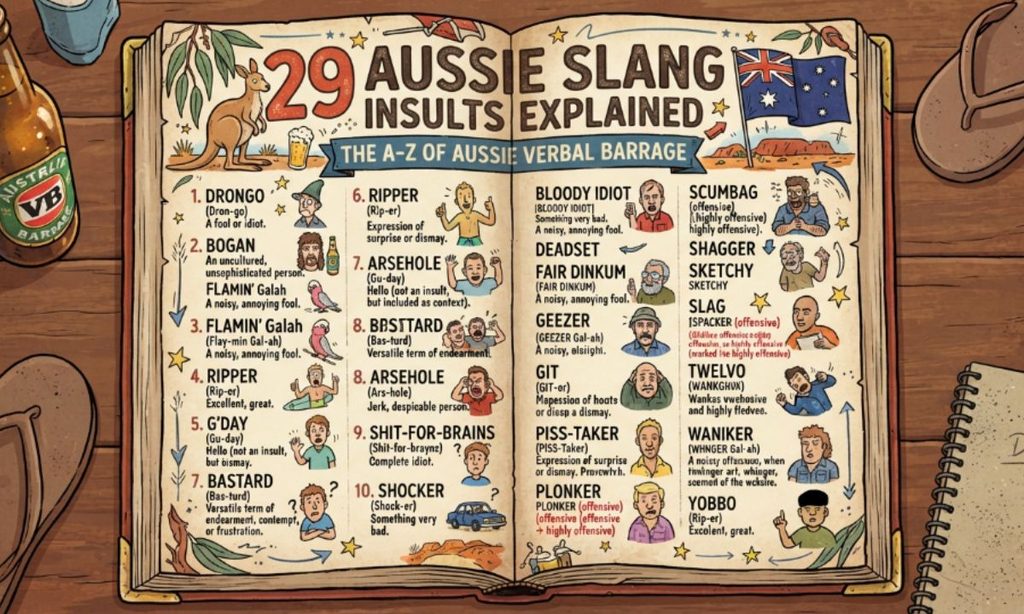
Most Australian slang insults are playful rather than genuinely offensive — this is where Aussie roasts and friendly teasing shine.
Bogan
Someone unrefined or rough around the edges. Usually teasing, not cruel.
Drongo
A cheerful way of calling someone foolish. Common in casual banter.
Wanker
Describes an arrogant or self-important person. Sharper tone than most.
Nong
A harmless term for someone acting a bit clueless.
Dropkick
Refers to a lazy or useless person, often said jokingly.
Galah
A loud, silly person — named after the noisy Aussie bird.
Dill
A gentle insult for someone acting silly.
Mug
Someone easily fooled or tricked.
Tool
An annoying or obnoxious person, popular in gaming chats and online slang.
Goose
A silly but likeable person.
Tosser
Similar to wanker — arrogant and irritating.
Ratbag
A mischievous troublemaker, often said affectionately.
Dag
Someone socially awkward but endearing.
Deadset Drongo
An intensified version of drongo — a complete fool.
Clown
Someone acting ridiculous, common in modern internet slang.
Other trending slang terms worth knowing: larrikin, knucklehead, numpty, muppet, and gronk — all used similarly across age groups.
Read Also This Blog Alina Name Meaning
Australian Slang for Girl
The most common Australian slang word for a girl or woman is “sheila,” though it’s considered old school slang today. Younger Aussies more often just say “girl” or use her name directly, since sheila has faded from everyday use.
Australian Slang for Man
Common Australian slang for man includes “bloke,” “fella,” and “cobber” (meaning friend). These terms remain widely used across generations, unlike some outdated slang for women.
Australian Slang for Bad Situations
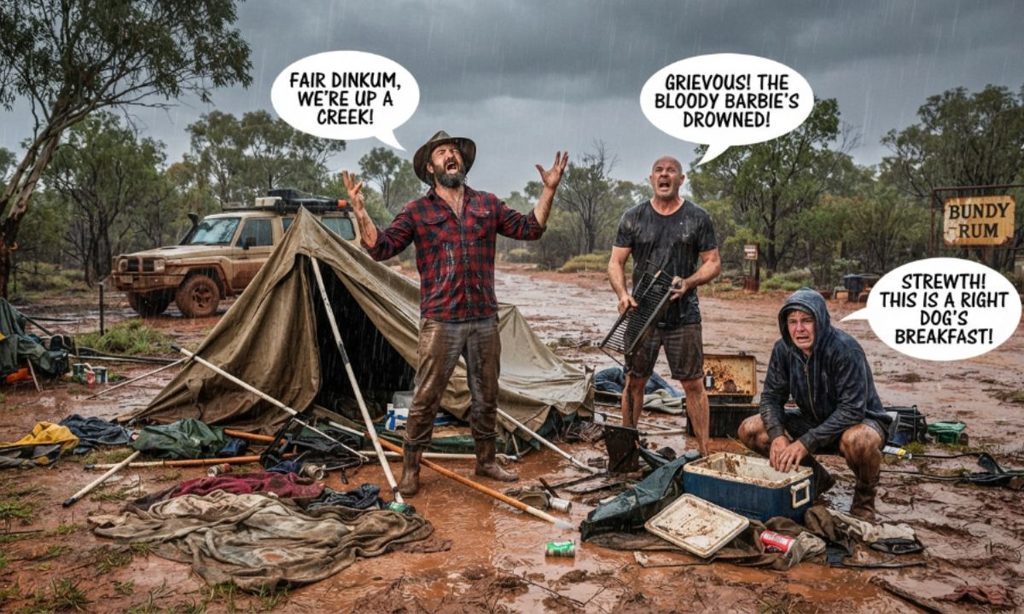
When something goes wrong, Aussies might say:
- “That’s a bit ordinary” – disappointing
- “Full-on stuffed” – broken or ruined
- “Going pear-shaped” – falling apart
Friendly vs Offensive: Know the Context
Context and tone decide whether Australian slang insults land as jokes or genuine offense. The same word — like “bogan” or “drongo” — can be a compliment among mates or an insult to a stranger.
Social setting matters too. What’s normal friendly teasing at a barbecue could feel rude in professional settings or formal writing.
Where Aussie Slang Words Come From
Many Australian slang terms trace back to British English, Aboriginal languages, or shortened everyday words. Some, like “selfie,” were even coined in Australia before going global — showing how Aussie slang has shaped internet slang and meme culture worldwide.
Regional Aussie Slang Differences
Slang can shift depending on the state. For example, swimwear is called “togs” in Queensland but “bathers” in Victoria — small regional quirks that add texture to everyday Australian slang words.
Australian Slang by Generation
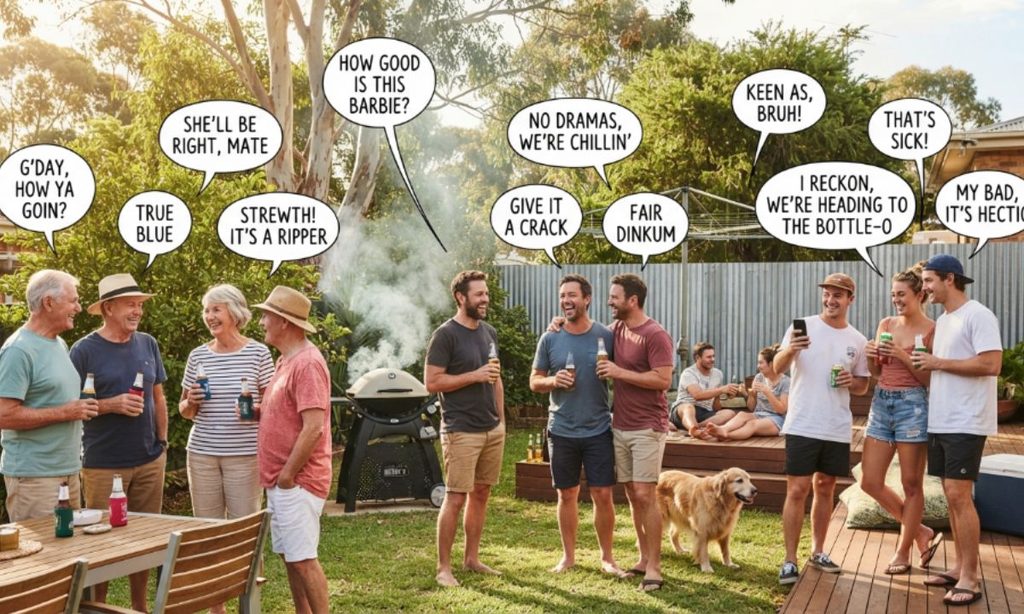
Generational slang differences show how Aussie expressions evolve while some classics stay timeless.
Gen Z Australian Slang
Gen Z blends traditional slang with meme culture and social media slang, especially in gaming chats and messaging apps.
Millennial Australian Slang
Millennials mix classic terms like bogan and drongo with modern sarcasm, often reviving old slang through social media.
Older Generation Aussie Slang
Older Australians favor expressions like galah, ratbag, and cobber — old school slang tied to face-to-face conversation rather than online vs offline usage.
How to Use Aussie Slang Naturally
- Match your tone to the setting — casual with friends, careful elsewhere
- Learn slang meaning before using it, not just the word itself
- Listen to how locals actually use slang terms in conversation
Common Aussie Slang Mistakes to Avoid
- Using outdated slang that feels old-fashioned to younger speakers
- Overusing slang until it sounds forced rather than natural
- Using casual slang in formal writing or professional settings
What Reddit Says About Aussie Slang
Australian slang Reddit threads often debate which terms are still trending slang versus which ones are dying out. Many users note that words like “sheila” are fading, while insults like “drongo” and “bogan” remain part of everyday Aussie humor.
Practice Your Australian Slang
Fill in the Blanks
- You locked yourself out again, you _______.
- Stop being a _______ and help us move the couch.
Choose the Correct Slang
- Someone bragging too much → a) Goose b) Wanker c) Dag
- A foolish mistake → a) Drongo b) Ratbag c) Tool
Rewrite Formal Sentences into Slang
- “You behaved very foolishly today.”
- “That person is socially awkward.”
Frequently Asked Questions
How Do Australians Say “I Love You” in Australian Slang?
Australians often skip formal phrasing, using casual lines like “you’re alright, ya know” or simply “love ya” instead of literal Australian slang translations.
How Do Aussies Say “Cool” in Australian Slang?
Aussies say “cool” using Australian slang like “grouse,” “bonza,” or “deadly,” all meaning something is great, impressive, or genuinely enjoyable.
What Phrases Do Aussies Say in Australian Slang?
Common Australian slang phrases include “no worries,” “she’ll be right,” and “flat out like a lizard drinking,” used daily in casual conversation.
What Is Australian Slang for Girl?
The most recognized Australian slang for girl is “sheila,” though it’s considered old-school slang today; younger Aussies simply use “girl” instead.
Is It Hooroo or Ooroo in Australian Slang?
Both “hooroo” and “ooroo” are accepted Australian slang for goodbye; spelling varies regionally, but pronunciation and casual meaning stay identical.
Do Australians Say “Barbie” in Australian Slang?
Yes, Australians say “barbie” as everyday Australian slang for barbecue, commonly used when inviting friends over for a casual outdoor meal.
Conclusion
Australian slang blends humor, identity, and friendly roasting into everyday conversation. Australian slang insults like bogan, drongo, and galah rarely carry real hostility — they’re playful aussie insults rooted in mateship, not malice. Most aussie slang insults work best among friends, where tone instantly turns a jab into banter.
If you’re searching for the best australian insults, terms like “deadset drongo” or “tosser” hit the mark without crossing into genuine rudeness. Curious how to insult an australian? Keep it light, keep it cheeky, and read the room first.
